
























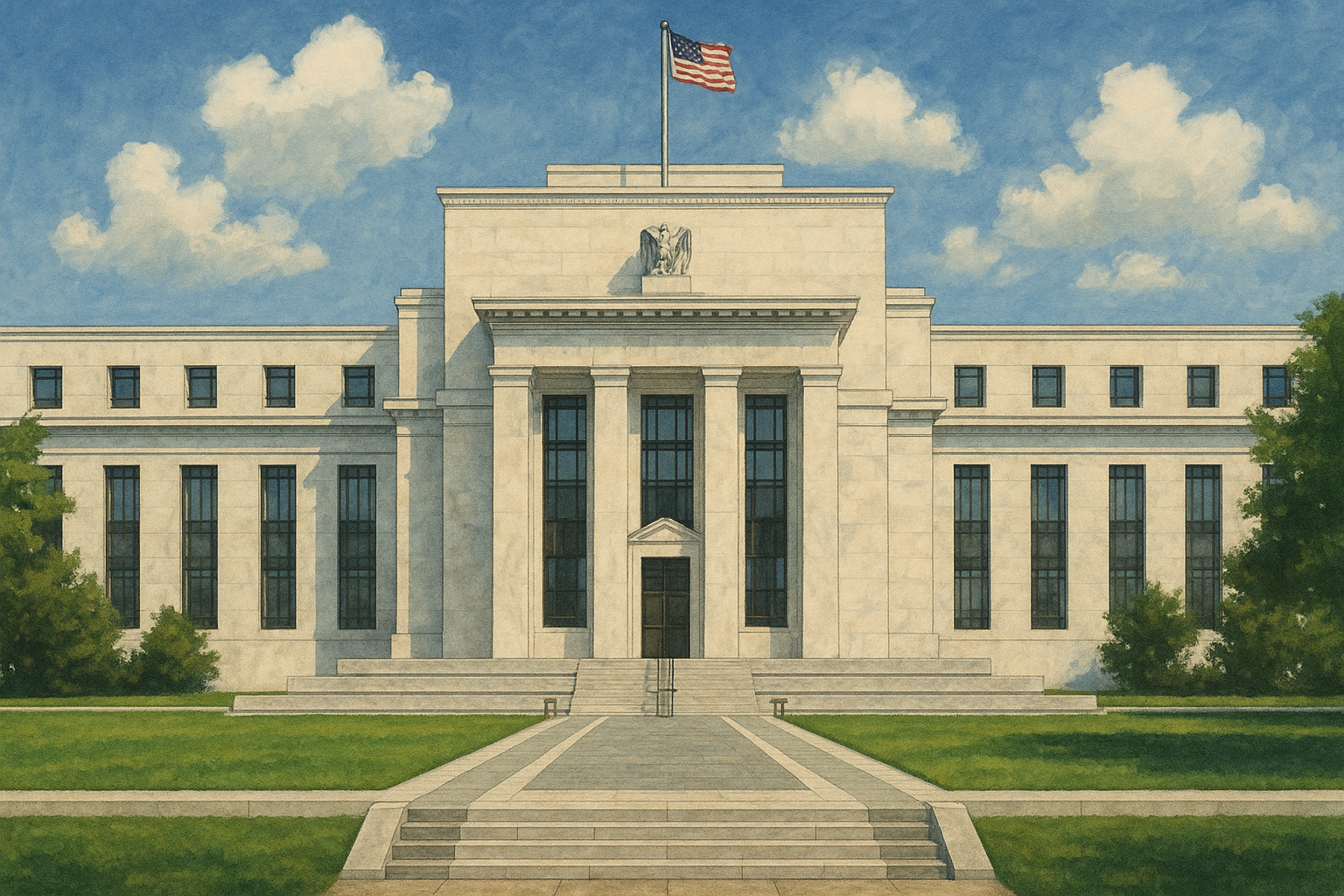
The rate-cut scenario has become the prime focus of the Federal Reserve’s FOMC meeting on Wednesday.
And, while the markets are already pricing in a quarter-point rate cut, the traders are more interested in the future guidance and the dynamics of policy rates in 2026.
But the Wall Street economists don’t seem to be just ‘obsessed’ with the rate decision and are more interested in what Jerome Powell says about the balance sheet.
The Fed’s language on reserves, runoff strategy, and standing repo operations may move markets as much as the rate decision itself.
FOMC meeting: What the Fed might signal on QT, rollover and runoff
The Fed already took its most significant balance sheet action in late October, announcing that quantitative tightening would cease on December 1, 2025.
It means the central bank will roll over all maturing Treasury securities instead of letting them run off, a reversal after three years of deliberate balance sheet shrinkage.
The technical question now centers on reinvestment strategy.
Will the Fed maintain its directive to roll over Treasury principals at auction, or will Wednesday’s statement soften the language and hint at future flexibility?
The traders will be happy with any language suggesting the Fed is satisfied with current reserve levels.
Powell’s statement includes phrasing like “reserves at levels consistent with ample,” that signals the Fed is comfortable holding the line.
If instead he flags “ongoing monitoring” or “market conditions,” that opens the door to potential emergency liquidity tools in 2026.
The reinvestment of MBS proceeds into Treasury bills continues unchanged, a structural tilt that shifts the Fed’s portfolio toward shorter-term instruments and directly affects the term premium on the front end of the curve.
Why reserves, RRP and the standing repo matter for markets
Bank reserves sit at roughly 10% of GDP, the threshold economists identify as “ample” rather than “abundant.”
That distinction sounds academic, but it has real implications. When reserves are abundant, the Fed’s policy rate floats freely because banks have unlimited liquid assets.
When reserves approach ample territory, even minor shifts in supply create friction, and that friction shows up as volatility in repo rates and money market funding spreads.
Recent data shows exactly that dynamic at work.
The standing repo facility (SRF) hit record usage in late October, with banks drawing billions to smooth intraday funding pressures.
RRP (reverse repo) balances have compressed to minimal levels, hovering around $3.32 billion as of early December, down from $2.6 trillion at the end of 2022.
Powell’s characterization of reserve adequacy on Wednesday will frame how markets interpret future SRF and RRP data.
If he signals confidence in current liquidity, banks will feel comfortable managing intraday cash without frequent SRF draws.
If he hints at tightness, it could trigger a pre-emptive shift in bank funding behavior, widening spreads and potentially pressuring short-term rates.
The post Beyond rates: What FOMC meeting might reveal about balance sheet and reserve policy appeared first on Invezz